Expanding access to Maternal-Fetal Medicine care
Maternal-Fetal Medicine (MFM) supports patients facing high-risk pregnancies. This care is time-sensitive and essential: a lack of MFM care is associated with worse outcomes for mothers and their babies.
Despite its importance, 95 percent of MFM providers are concentrated in metropolitan areas. This creates “maternity care deserts,” especially in rural areas.
Dr. Robert Abrams, executive director for the Center for Maternal-Fetal Medicine at SIU School of Medicine, and his team are working to address this shortage using telehealth.
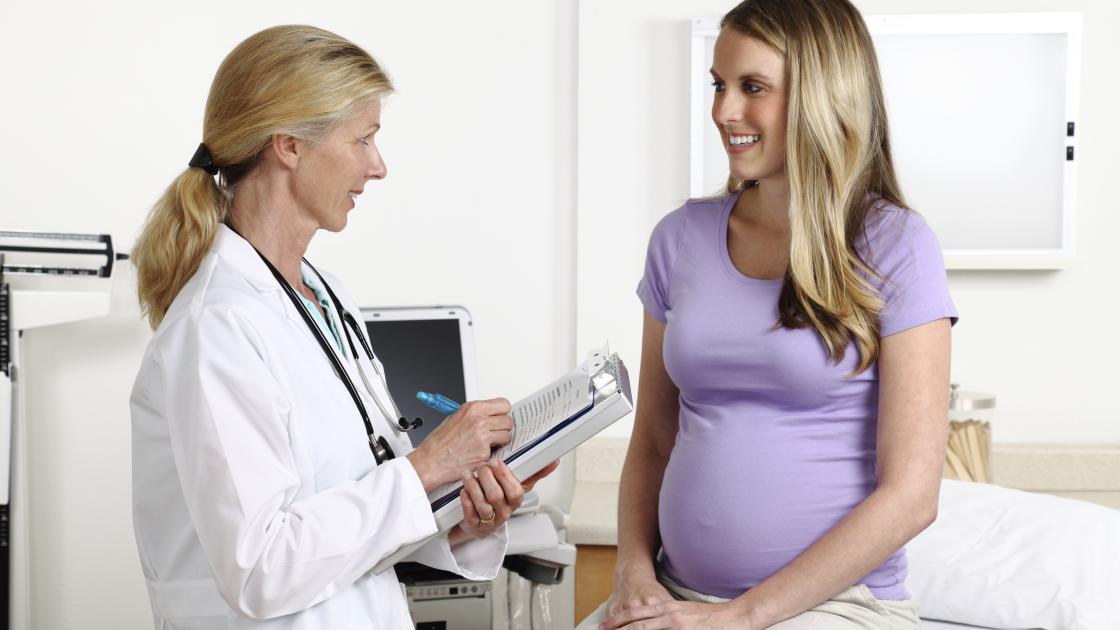
“With telehealth, patients throughout central and southern Illinois can receive the care they need much closer to their homes,” Abrams says. “When they arrive at a local clinic, a mom-to-be will get a sonogram and then receive a thorough consultation with me or one of our providers through teleconferencing. We’re able to view and interpret the ultrasound in real time and then discuss the plan of action with the patient.”
Before telehealth, some patients would travel up to three hours to receive care, Abrams says. This meant more financial costs, time off work and potential child-care needs. Long commutes can also be detrimental to patients with high-risk pregnancies. With telehealth, women can often find care within 45 miles of home. There are fewer barriers and less stress, “and they get the exact same level of care whether it’s in person or through telemedicine,” Abrams says.
The technology also allows Abrams and his team to have more time for patient care. Prior to telehealth, they would spend several hours per week commuting to clinics throughout Illinois. Now, the caregivers use that time to see more patients. “It’s a win-win for everybody,” he says.