Exercise, home safety key to fall prevention
A home is of critical importance for those with dementia.
There’s familiarity as reminders of family, past holidays and traditions are present all around. It is simply the place that provides the most comfort for those who are more easily confused and stressed.
It’s also a place that likely needs upgrades. Less than 10% of U.S. homes are “aging ready” for seniors, according to a U.S. Census Bureau study. Creating a safe home is paramount to helping prevent falls, the leading cause of injury in adults 65 and older. With dementia, safety precautions evolve beyond the standard upgrades as balance further declines, stress levels can spike and there is an increased risk of falling.
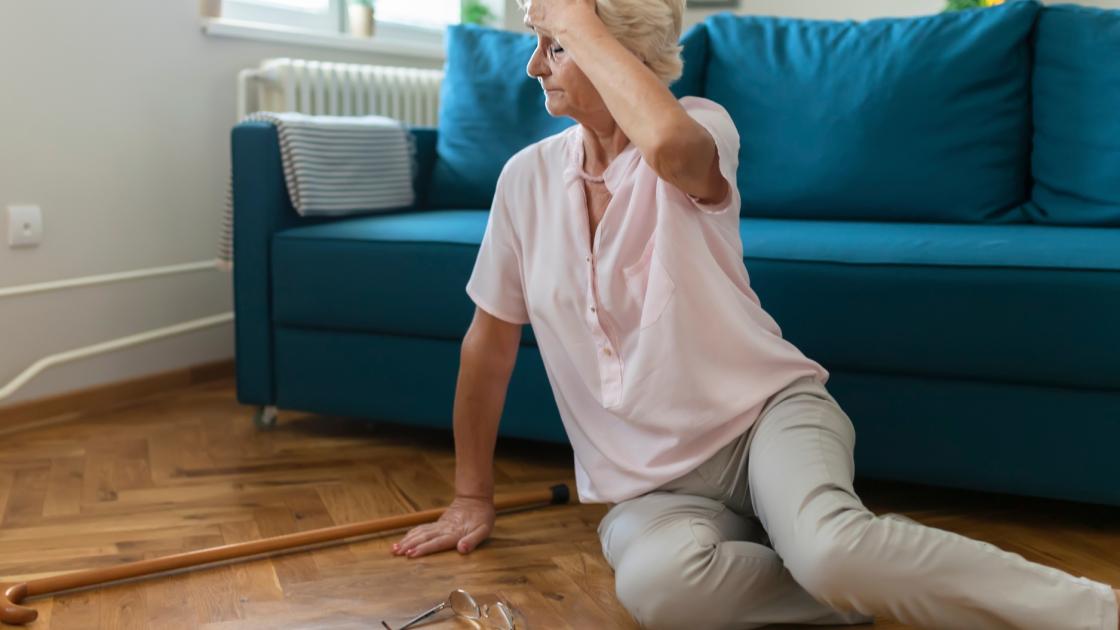
More than 1 in 4 people age 65 and older fall each year. Falls are the most common cause of Traumatic Brain Injury (TBI) and are responsible for 95% of hip fractures.
So how can we lessen the risk? Here are a few ways to help ensure a safer environment and build a stronger body.
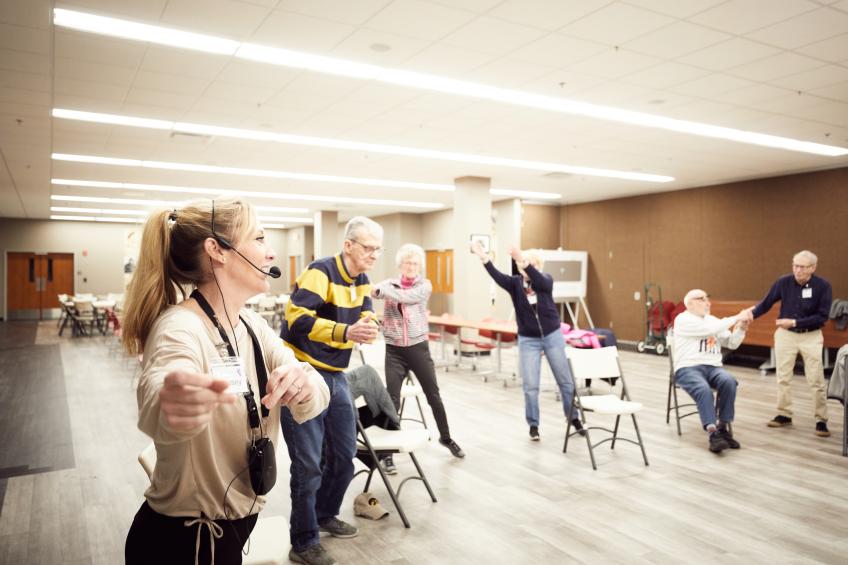
Participants in the Smith Alzheimer's Center program, Stepping Up, work on movement and lower-body strengthening.
A little exercise goes a long way
Even beyond reducing falls, exercise is key. The link between brain health and overall body health is intrinsically linked. Committing just a small amount of time each week can do wonders for the health of a senior and even potentially slow cognitive decline.
A long-running study called EXERT found exercising 1 to 1.5 hours per week – yes, week, not day – helped protect brain health for sedentary older adults. The study measured the effects of an aerobics group as well as a stretching balance group, and both showed benefits of protection against cognitive decline.
We’re not talking about running a marathon or swimming in the pool for hours. Exercise like chair yoga, using stretching bands and even doing simple tasks at home like sweeping can make a difference. Simple movement with light weights (feel free to substitute soup or vegetable cans if you don’t have weights) works well.
Of course, for those with dementia, it can be difficult to encourage them to engage in exercise. For the Stepping Up program at the Smith Alzheimer’s Center, a program that focuses on strengthening the lower body to help reduce falls, using music to go along with movement can make all the difference. When you have a familiar song from The Monkees that an entire group is moving along to, it can encourage someone to crack a smile and join in.
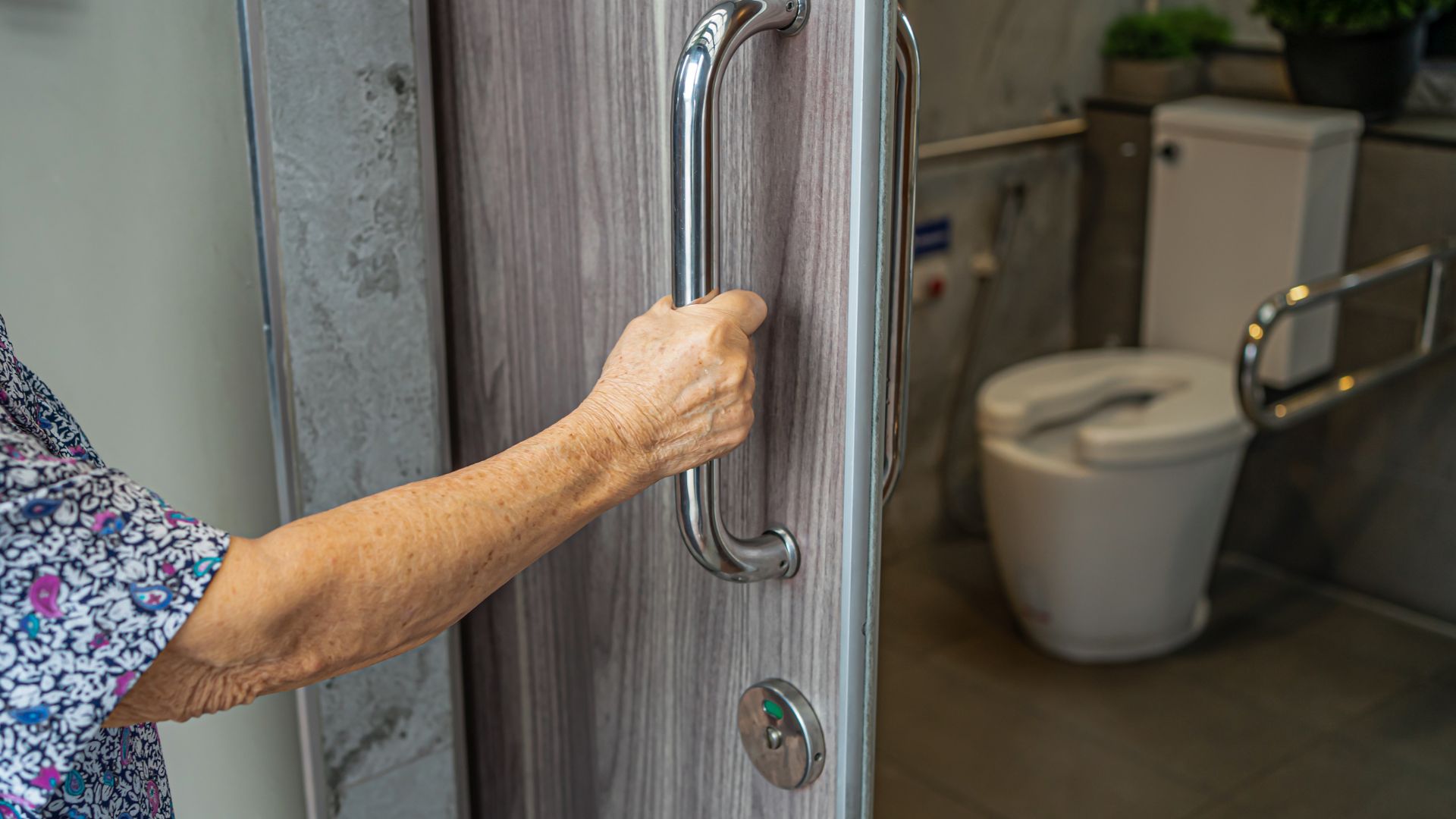
Making sure a home has the necessary safety measures in place is key to fall prevention.
There’s no place like a safe home
Beyond having a home free of clutter, tripping hazards and more, there are several things we can do to help those with dementia live in a safer environment.
- Adequate lighting. Nightlights in hallways, glow-in-the-dark light switches and well-lit outdoor walkways help make movement at night easier. During the daytime, lamps are preferable to overhead lighting to reduce glare and limit shadows.
- Contrasting colors. A change in color is an easy visual cue to indicate a change in height, helping make stairs easier to manage. Conversely, flooring with contrasting colors can be confusing and even darker tones in the middle of the room could be misinterpreted as a hole. Consider painting walls a light color and baseboards a darker tone.
- Bathroom safety. Use non-skid mats in the tub/shower and non-slip rugs in front of the sink. Grab bars next to the toilet and a bath bench or shower seat increases safety, too. Consider lowering the water heater temperature to 118°F or lower to help eliminate accidentally using scalding water.
- Anticipate needs. For those with dementia, nighttime agitations are amplified. Placing a glass or water or a small snack on a nightstand might help resolve a hunger or thirst need and help return the person to a restful state sooner. Consider removing the bedroom lock so no one is locked in or out.
While these aren’t necessarily associated with fall prevention, here are some other helpful tips for home safety:
- Labeling cabinets with names of contents.
- Keeping necessary items on a bedside table.
- Install safety knobs and an automatic shut-off switch for the stove.
- Consider removing interior door locks so no one is locked in or out.
See more tips and other suggestions on how to make a home safer at the Smith Alzheimer's Center's online resource guide.