
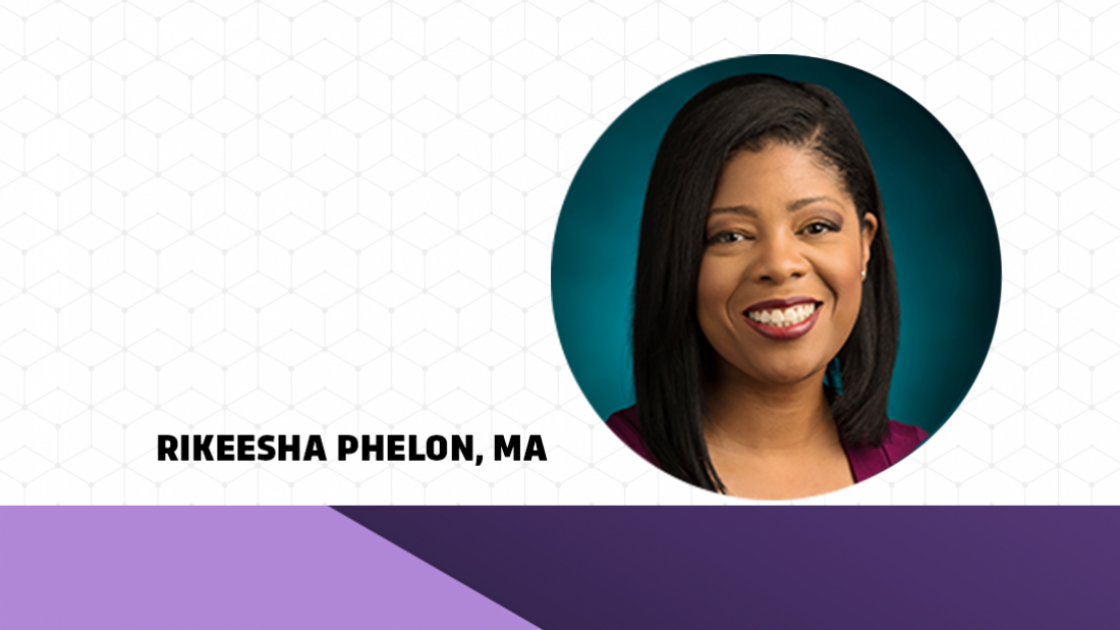
TED Talks 101 | Rikeesha Phelon's 3-step process to capture (and keep!) your audience's attention
TED Talks have changed the way people present their ideas. The three-part structure, clarity of purpose and 18 minutes or less requirement has inspired presenters and listeners to think differently about a good talk.
Hundreds of articles and a handful of decent books discuss the science and effectiveness of TED Talks. I have studied quite a few, and married some of those principles with my own experiences as a public speaker, consultant and student of communications. I will narrow my observations to the importance of three general public-speaking tools: ideation, connection and narration.
Ideation
Ideation is the complete process of developing your big idea. Don’t get intimidated by the idea of a big idea. Your idea may be a genius invention or scientific breakthrough, but it can also be a simple how to, an insightful story or a solution to a common problem.
Once you have your big idea, the ideation phase continues as you ask the same questions that TED curators do. You know you have fully developed an idea worth sharing if you answer yes to at least one of the following questions:
- Can I offer something new?
- Can I present a surprising conclusion?
- Can I recast an old idea in a new light?
- Can I challenge a common belief?
Connection
You can’t get your message across without a good connection. When you think about your favorite speakers, you most likely remember them because you connected with them in some way. It’s the same for TED speakers. The best connect with their audience by being passionate, authentic and generous.
- Be passionate. To engage your listeners, you need to communicate your idea with passion. The best talks come from an emotional place rather than scripted content.
- Be authentic. Sounding like yourself is essential to getting your message across. Audiences can discern a fake with feigned vulnerability right away. When they do, they simply won’t connect.
- Be generous. Your audience will connect with you when you share your idea from a place of generosity. Don’t be stingy with wisdom. Effective speakers take the stage to give something of value.
Narration
Human beings understand and interpret the world around us with storytelling. Because we see the world through stories, it’s the best format for engaging content that illustrates your big idea.
Stories stimulate and engage the human brain. Good narration makes it much more likely that the audience will agree with the speaker’s point of view.
Your storytelling shouldn’t be an exercise in narcissism. When you are done, the audience should be more confident about their ability to slay their giants, move their mountains and change their endings. This can happen when you:
- Tell stories with common themes
- Let the audience be the hero
- Position yourself as the mentor
See the through line here? Engaging talks are all anchored in the audience experience. Start with an idea that serves the audience. Connect with the audience by being passionate, generous and authentic. Share stories that can inspire the audience’s heroism.
Whether you are planning to one day take the TED stage or planning for your next conference presentation, the expectations for an engaging talk are higher. Even so, your success is in proportion to your willingness to dig deeper into the audience experience.