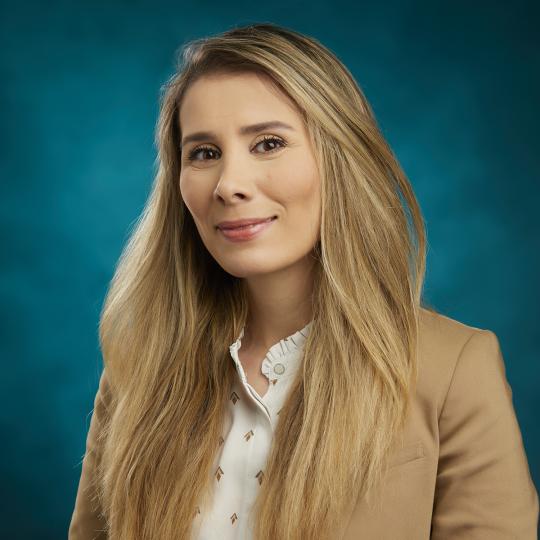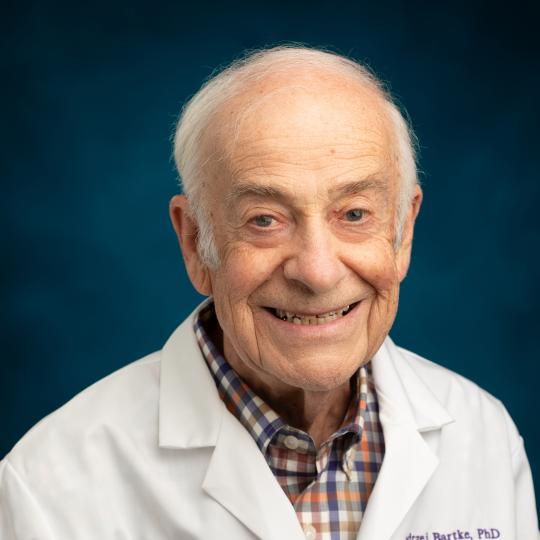
Rong Yuan Lab
Overview
Our laboratory investigates the fundamental mechanisms linking early-life development to aging, longevity and age-related diseases. Using genetically diverse mouse models and systems genetics approaches, our research addresses a critical question: How do early-life experiences shape lifelong health trajectories?
Approach
Our laboratory employs a comprehensive systems biology approach, integrating:
- Large-scale phenotyping across the lifespan
- Mouse genetics and genetic mapping
- Molecular and cellular biology
- Bioinformatics and computational analysis
- Collaborative multidisciplinary research
Impact
Our research has established foundational resources for the aging research community, including comprehensive phenotypic datasets publicly available through the Mouse Phenome Database. Our publications in Aging Cell, PNAS, Geroscience and other leading journals continue to shape understanding of how genetic and environmental factors interact to determine healthspan and lifespan.
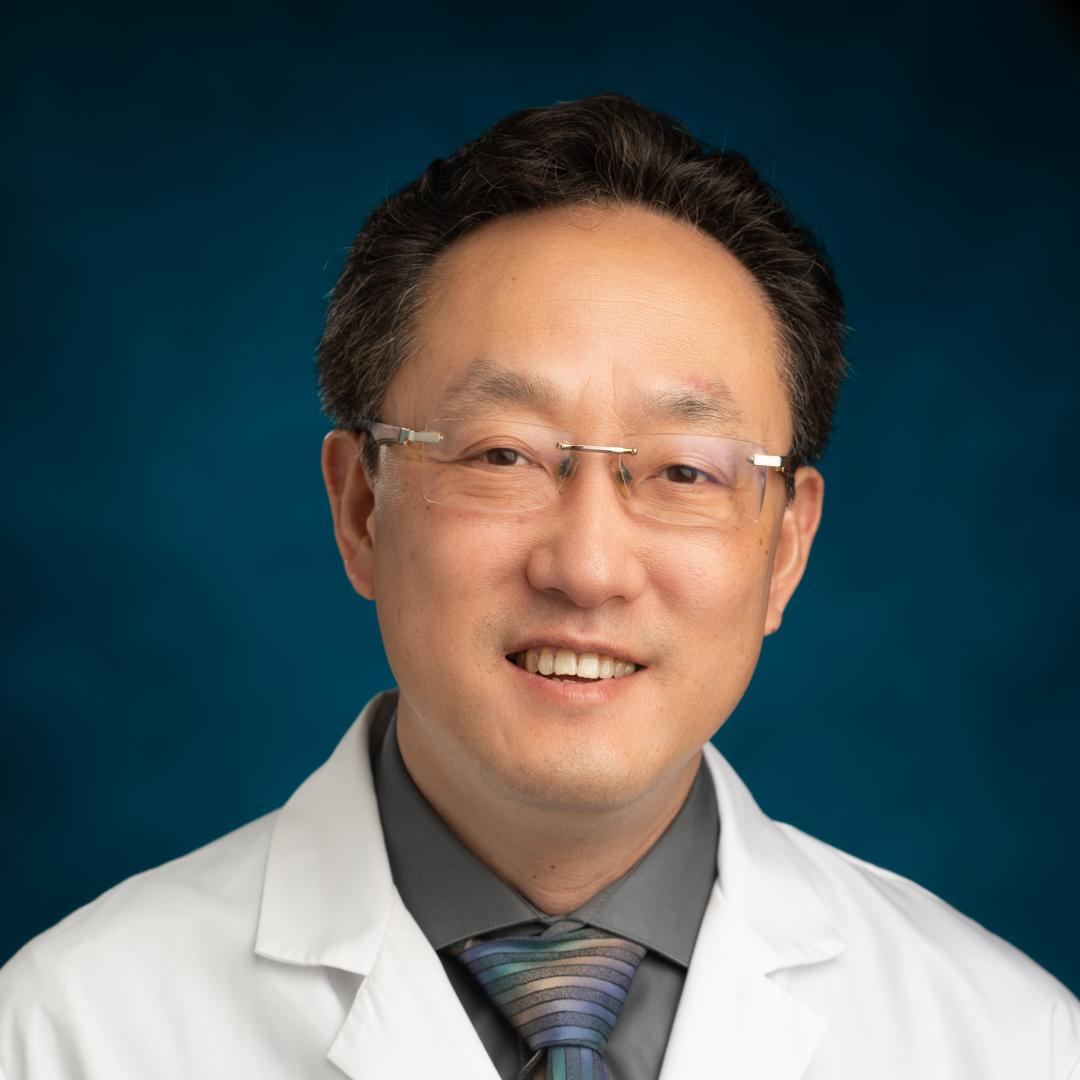
Rong Yuan, MD, PhD Primary Investigator
Research Focus
Developmental Origins of Aging
We explore how developmental processes—particularly growth patterns and sexual maturation—influence lifespan and healthspan. Our pioneering work has demonstrated that delayed female sexual maturation is associated with extended longevity across mouse strains, revealing fundamental trade-offs in the "pace-of-life" that govern aging.
Early-Life Metabolic Interventions
Our laboratory investigates whether transient nutritional and pharmacological interventions during critical developmental windows can "reprogram" aging trajectories. Current studies examine how early-life treatments with metformin, rapamycin, and dietary modifications influence metabolic health, brain aging, and lifespan extension.
Genetics of Longevity
Using quantitative trait loci (QTL) mapping and advanced bioinformatics, we identify genes that regulate aging and longevity. We have discovered novel aging genes including Nrip1 and Pcsk2, which influence both development and lifespan, providing targets for therapeutic intervention.
Translational Aging Research
We translate discoveries from aging research into clinical applications. Our work has identified NRIP1 as a therapeutic target for breast cancer, psoriasis, diabetic wound healing, and cellular senescence—demonstrating how understanding aging mechanisms can address multiple age-related diseases.
Current Projects
- Can nutritional interventions limited to early life reset pace-of-life to promote healthy aging and longevity? (Hevolution Foundation)
- Early-Life Targeted Interventions to Improve Cardiovascular Health: Genetic and Molecular Insights from a Preclinical Study in a Heterogeneous Mouse Model (William McElroy Charitable Foundation)
- Modulating Development to Influence Aging: Resetting the Pace of Life through Early-Life Interventions (SIU School of Medicine Research Seed Grant)
- Does inhibition of Growth Hormone Receptor Signaling Improve Metabolic and Microenvironmental Factors to Suppress Cancer Development? (Team Science Grand, Simmons Cancer Institute, SIU School of Medicine)
Grant funding
Publications
Lab team

Lisa Hensley
Senior Research Project Coordinator

Yun Zhu, PhD
Staff Scientist

Xiuqi Han
Research Assistant

Asmita Sharma
Research Assistant

Yaoyuan Zhang
Research Assistant