Do farmers have an increased risk of cardiovascular disease?
Cardiovascular disease is a group of health conditions affecting the heart and blood vessels. According to the U.S. Centers for Disease Control and Prevention (CDC), about 1 in 3 deaths that happen in the U.S. every year is due to cardiovascular disease—that's one cardiovascular-related death every 34 seconds.
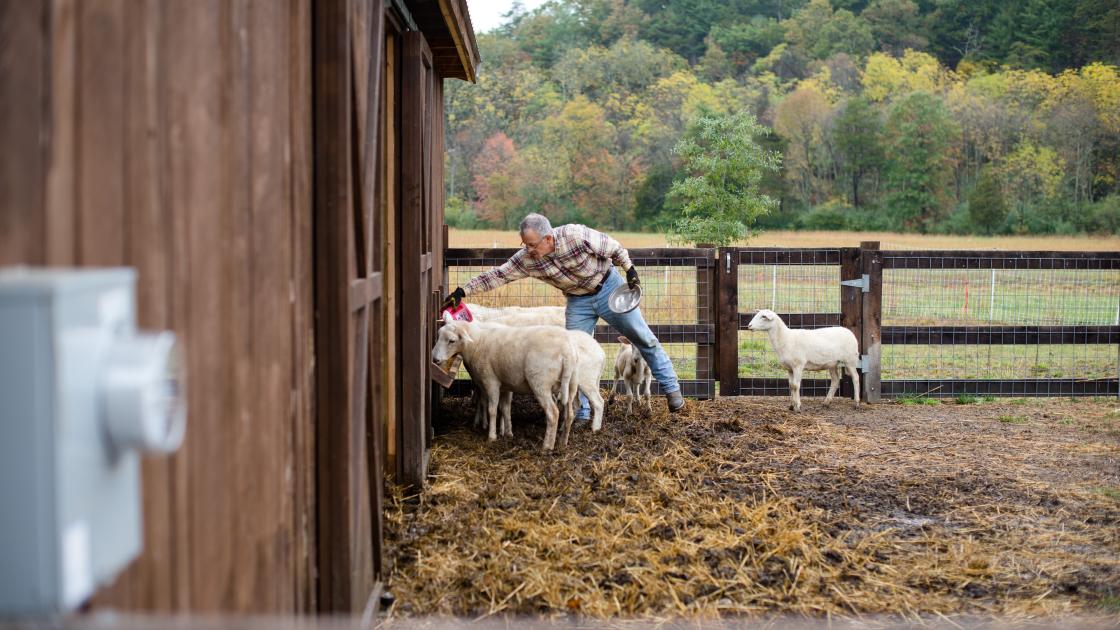
Recent research suggests that farmers, especially adult male farmers, have an increased risk of cardiovascular disease compared to non-farmers of a similar age. What could explain this risk, and what can farmers do to protect their heart health? Read on.
Types of cardiovascular disease and understanding your risk
Diseases affecting the cardiovascular system include atherosclerosis (clogged arteries), heart disease, heart attack, stroke, heart failure, arrhythmia and problems with the valves inside the heart. These conditions can lead to a wide range of negative consequences including disability, increased medical costs, loss of independence, reductions in quality of life and increased risk of death.
Your chances of being diagnosed with cardiovascular disease depend on several risk factors. Some risk factors, like your race, age and family history aren't modifiable, meaning you can't prevent them or change them. But plenty of other risk factors are preventable, mostly by making healthier lifestyle choices.
Here are some of the leading preventable causes of cardiovascular disease according to the CDC:
- High blood pressure
- High levels of certain types of cholesterol in the blood
- Unhealthy diet (such as eating too much processed foods and not eating enough whole grains, vegetables and fruits)
- Physical inactivity
- Smoking and exposure to secondhand smoke
- Lifestyle-related health conditions like obesity and type 2 diabetes
Cardiovascular disease and farming: what does the science say?
A recent review published in the scientific journal Cureus collected data from 12 studies that looked at the relationship between cardiovascular disease and farmers. The researchers found that male farmers aged 45 and up have an increased risk of heart disease compared to their non-farming peers.
The reviewers discussed some possible explanations for this finding.
- Farmers tend to experience high levels of stress due to things like weather, market fluctuations, equipment malfunctions and financial hardship.
- Farmers tend to live in rural areas with decreased access to health care.
- Some farmers may lack health literacy or have minimal interest in heart health.
- They may also ignore or downplay their susceptibility to heart disease, and put off necessary action to improve their wellness.
If you farm, not all these factors may apply to you. But it is helpful to be aware of some of the unique constraints that people in the farming community may face relative to heart health.
Harvesting good health
It's never too late to start improving your cardiovascular health. Farmers can take action now to reduce their risk of cardiovascular disease. Try this:
- Find your favorite stress-busting activity and do it regularly. Chronic stress is hard on the heart and may cause high blood pressure, overeating and other factors that can increase your risk of cardiovascular disease. Make stress management a part of your daily routine.
- Don't be afraid to speak up. Talk about heart-healthy habits with neighbors, colleagues, employees and family, and set a good example by practicing these habits yourself.
- Connect with local resources. SIU Medicine's Farm Family Resource Initiative is a great place to start if you're a farmer in southern Illinois looking for some extra resources and support, including information about stress management and financial assistance.
Call or text the FFRI hotline now at 1-833-FARM-SOS (833-327-6767) to find out how we can help.
Karen Leavitt Stallman
Ag Resource Specialist