
Bathing, dressing and grooming
Maintaining the personal hygiene of a loved one can be one of the more challenging aspects of caregiving. Whether someone is angry they need help or embarrassed about being exposed in front of someone else, having a plan can help make these moments easier for caregivers.
Getting started
Hygiene is essential, but an area often ignored by those with dementia. Recognizing poor hygiene may be easy, such as unkempt and unwashed hair, but it can also be a problem difficult to know, such as a urinary tract infection (UTI).
Staying on top of issues that the person with memory loss may or may not be concerned about can be critically important.
- Safety first. Whether it’s installing a seat or handrails in the shower, adding non-slip mats or checking the water temperature, avoid surprises and have measures in place to help prevent falls.
- Guide before taking charge. Let the person do as much as possible. This gives the person dignity and allows them to feel in control, whether bathing, shaving, or dressing.
- Communicate! Gently talk through each step, but be matter-of-fact. Don’t argue about whether a bath is needed or not.
- Be a detective. If someone is more agitated than usual, it could be an issue of hygiene they are unable to communicate.
- Be prepared. The window of time where someone is agreeable to bathe or groom may be short. Have all items ready.
- Be patient. This is not a race, it is a routine.
Clean living
Suggesting a bath or shower can elicit strong responses. A firm but gentle approach can help a sometimes difficult process.
- Two or three full baths/showers each week is usually enough. Between then, spot clean their face, underarms, hands, feet and genitals each day with a sponge.
- Try making the bathroom warm and inviting. Music may be soothing as well.
- Being fully exposed is a very vulnerable feeling where someone can feel uncomfortable, even if it's a family member helping them. Having someone who is the same sex can help ease some uncomfortableness.
- Placing a towel over them, whether shoulders or lap, can help them feel less exposed. Move gently to clean under.
- Aggression can rise in these moments. Asking, “Will you hold this washcloth?” makes hitting less likely.
- Pat the person dry instead of rubbing.
- If bathing becomes too difficult, seek professional help.
Building trust before bathing
Body language, touch and every small interaction can play a big role when encouraging someone to bathe. Hear from Teepa Snow on different ways to help make someone feel more comfortable before bathing.
"Are you ready for your spa treatment?"
No matter how many days since the person’s last shower, they may refuse to bathe. Simply telling them that they need to shower or brush their hair might not work, but other tactics might.
- Use music and extra towels to frame the process as a spa treatment
- Offer an incentive for taking a shower
- Understand their position and validate concerns
- Use humor to lighten the mood
Dress for success
- Clothing needs can change as dementia changes the person.
- Limit choices. Clear out clothes not often worn or are too difficult for the person to manage.
- When dressing, consider laying out items in order (underwear on top, pants next, etc.)
- Use clothes that are easier to manage and put on/take off. This may include items that are soft and stretchable, shoes with Velcro straps or are slip-ons, and clothing that has buttons on the front rather than go over the head.
- They may want to wear the same outfit again and again. Owning duplicate versions can help with cleanliness.
Look better, feel better
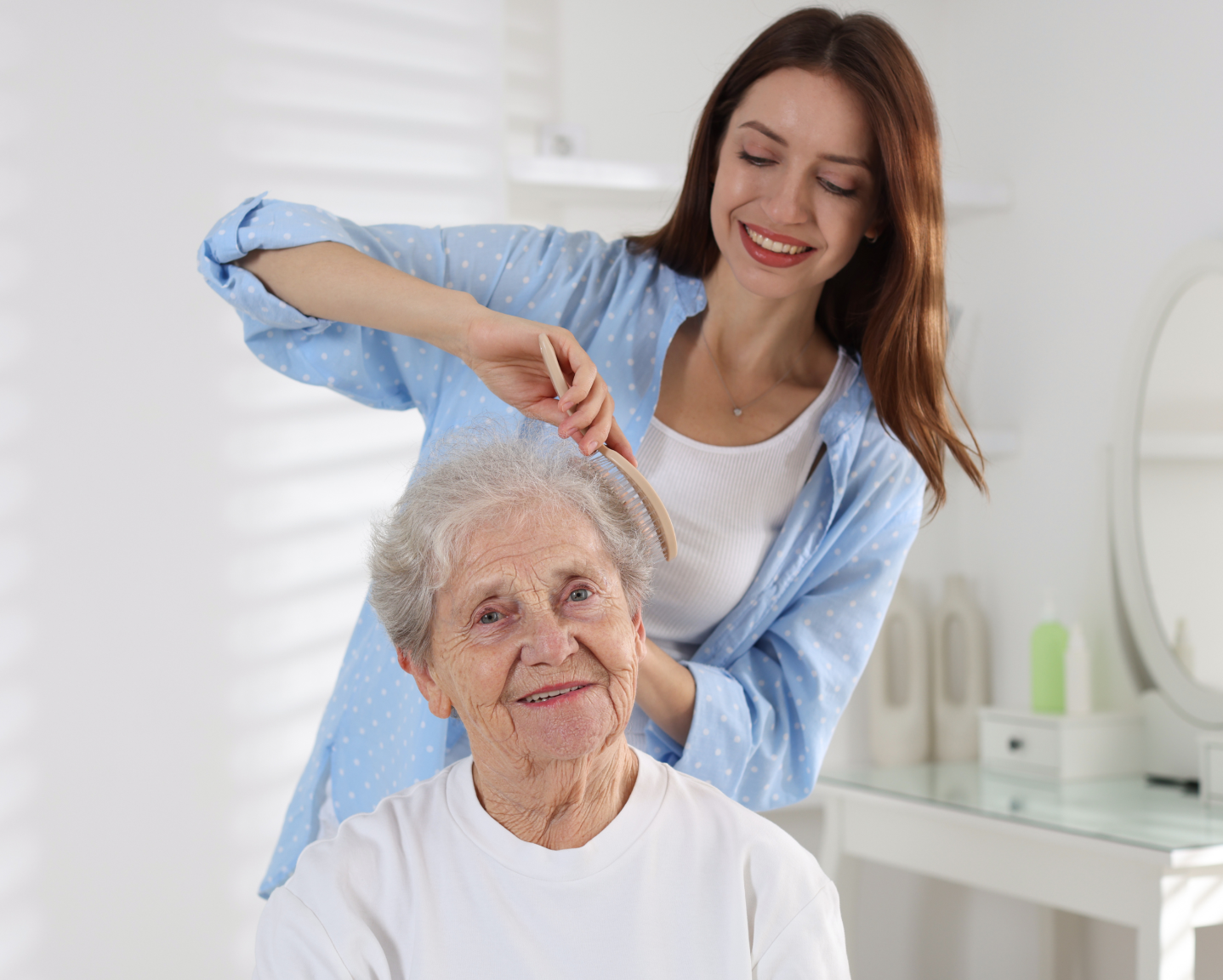
When hair is trimmed, makeup is applied or nails are trimmed, it can help the person feel better and more like themselves. Beyond aesthetics, other aspects of grooming are essential.
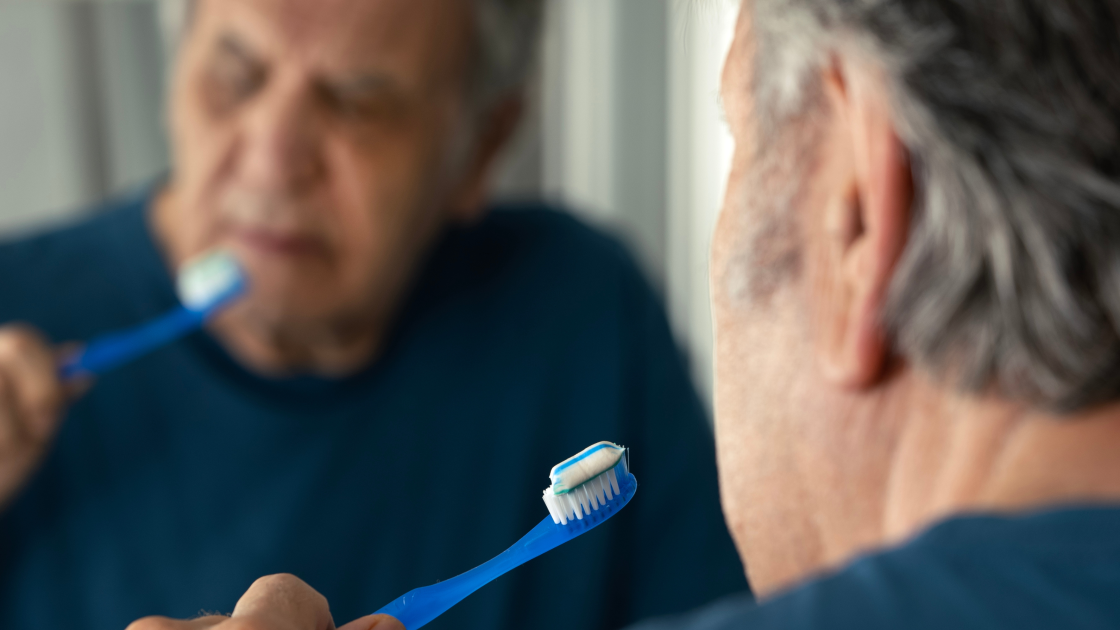
- Brushing your teeth at the same time can help guide actions without telling them what to do.
- Consider an electric toothbrush to better clean teeth. For men, use an electric razor for safety.
- Take them to see a dentist. Besides cleaning, it may help identify a source of discomfort not communicated. Recent studies suggest that gum disease and dementia are linked.

Putting your best foot forward
Consider having your loved one see a podiatrist at least once to have feet examined and toenails trimmed, especially if they have diabetes or peripheral vascular disease. Taking care of your feet can also help with maintaining balance and preventing falls.
For everyday care, wear moisture wicking and breathable socks that aren't too tight. Supportive shoes and inserts can help reduce pressure on more sensitive areas of the foot.